Unlocking Team Potential: The Best Collaboration Tools to Enhance Productivity and Communication
April 10, 2025
Unlocking Potential: The Ultimate Guide to VoIP Scalability for Growing Businesses
April 14, 2025
Efficient communication drives business success. Companies must choose between two systems. One system sits on-site with its own hardware. The other lives in the cloud and is managed externally. Each choice shows clear benefits and challenges. This article compares on-premise and cloud VoIP. It helps you choose the system that fits your business needs. 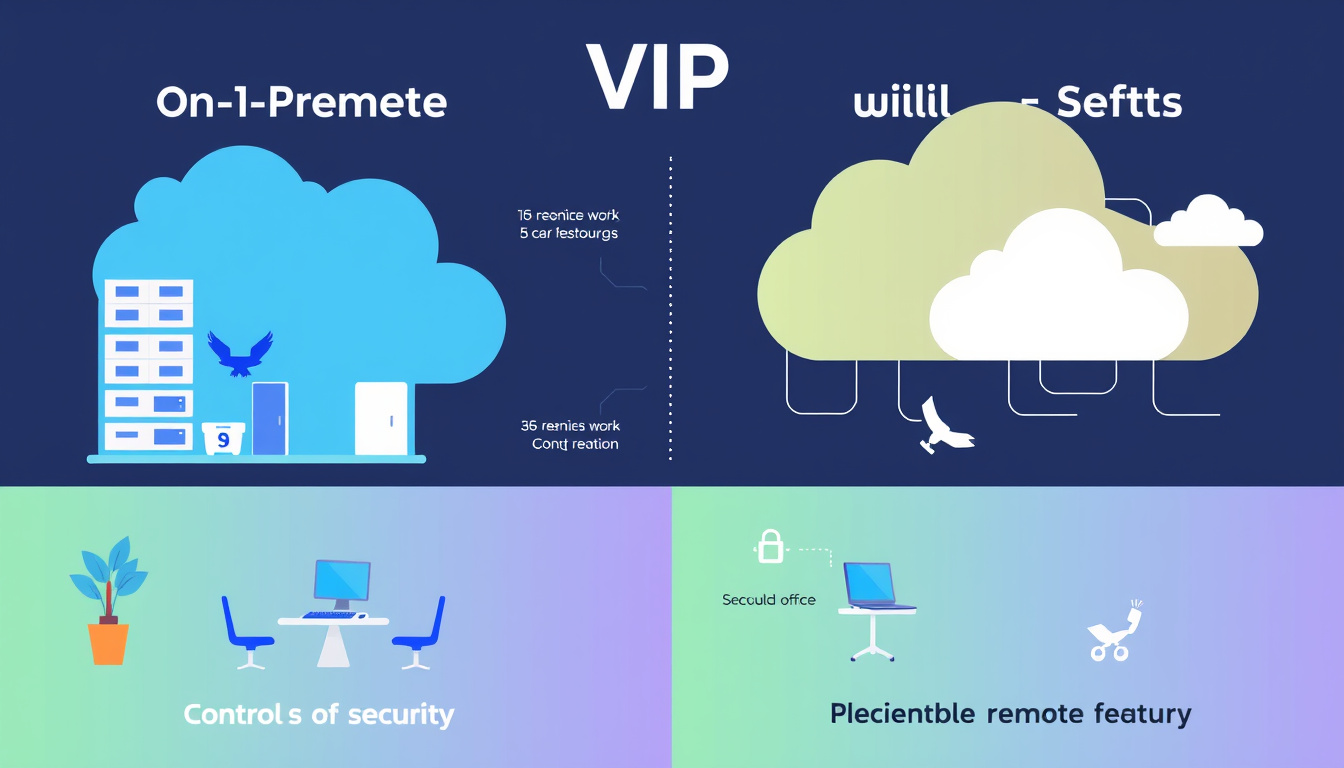
Understanding On-Premise and Cloud VoIP Systems
On-Premise VoIP
An on-premise VoIP system uses hardware installed on your premises. Servers sit close to your network and manage calls. The system can use IP technology instead of old analog lines. It needs a big upfront investment. You also pay for ongoing maintenance.
Pros of On-Premise VoIP:
- Control: You own and manage your telecommunication system. You adjust settings as your work demands.
- Security: You keep sensitive data inside your network. You control how data stays safe.
- No Internet Dependency: Some systems run well without the internet. They work in local or isolated setups.
Cons of On-Premise VoIP:
- High Initial Costs: You buy and install hardware. You must also hire skilled IT staff.
- Limited Scalability: Adding new lines and features takes more equipment. Scaling up is slow and costly.
Cloud VoIP
A cloud VoIP system works online with a third-party provider. Users connect through a web browser or an app. The provider manages the system for you. The design is flexible and scales with use.
Pros of Cloud VoIP:
- Lower Upfront Costs: You pay as you grow. Monthly fees replace large capital spending.
- Automatic Updates: The provider updates the system automatically. You gain new features without extra work.
- Scalability: You add or remove users with a few clicks. The system grows in step with your business.
- Remote Access: Employees use the system from anywhere with internet. The system supports remote and hybrid work.
Cons of Cloud VoIP:
- Dependence on Internet Reliability: Your call quality needs a strong internet link. Poor connectivity hurts the service.
- Less Control: The provider decides system settings. You rely on their security and protocols.
Factors to Consider When Choosing Between On-Premise and Cloud VoIP
1. Cost Analysis
Weigh the large capital outlay of an on-premise system against the recurring fees of a cloud system. Look at installation costs and future maintenance. Money spent now can affect your spending later.
2. Staff and Resource Availability
Check your IT team’s strength. On-premise systems must be managed in-house with skilled staff. Cloud systems come with vendor support. Your choice depends on the talent you have and the help you can get.
3. Business Growth Plans
Plan for business change. Cloud VoIP scales quickly as your company grows. On-premise systems require more hardware when you add users. Quick growth fits cloud systems better.
4. Remote Work Considerations
Remote work needs flexible access. Cloud VoIP lets employees connect from many locations. On-premise systems usually limit remote access without extra adjustments.
5. Technology Trends
Advanced features such as artificial intelligence, analytics, and software integrations work best with cloud systems. Cloud VoIP adapts quickly. Innovation often favors the cloud.
Conclusion: Which VoIP System is Right for You?
Your choice depends on budget, control, growth, and how you work day by day. On-premise systems give strict control and can secure your data. Cloud VoIP systems offer lower start-up costs and let your work extend beyond office walls. Consider your current needs and future goals. Compare the strengths and challenges of each system. In the end, choose the VoIP solution that supports both your everyday work and long-term growth.
NextPointe is a Boutique Business VoIP Service Provider based in South Florida. We offer our services in Miami, Broward, West Palm Beach, the Caribbean, and the rest of the country. Why do we provide a better solution than other hosted VoIP competitors? First, our platform is based on the Cisco Unified Call Manager; this is the platform of choice of most Fortune 500 companies; our customers are getting a mature, reliable, and feature-rich platform. Most providers use a generic open-source-based soft-switch mainly focused on a multi-tenant portal and supports various IP Phones. Second, we only offer Cisco IP Phones with our service that are designed and tested to work with the Cisco Unified Call Manager, meaning we will have very few compatibility issues and a ton of telephony features compared to our competitors who want to support any phone brand in the market; plus Cisco IP Phones are vastly superior in quality compared to any competitor at about the same price. And last but not least, we offer tailored support to our customers, think like having a “telecom department” for your organization. This is the most crucial feature of our service; we don’t send you to a generic portal for you to figure out the changes or send you to an outsourced call center in India. You call, email, or IM our team, and we will make the changes for you and take the managing of the Phone Service out of your back so you can focus on your business.